Why Most Architecture Studios Have Mediocre Brands
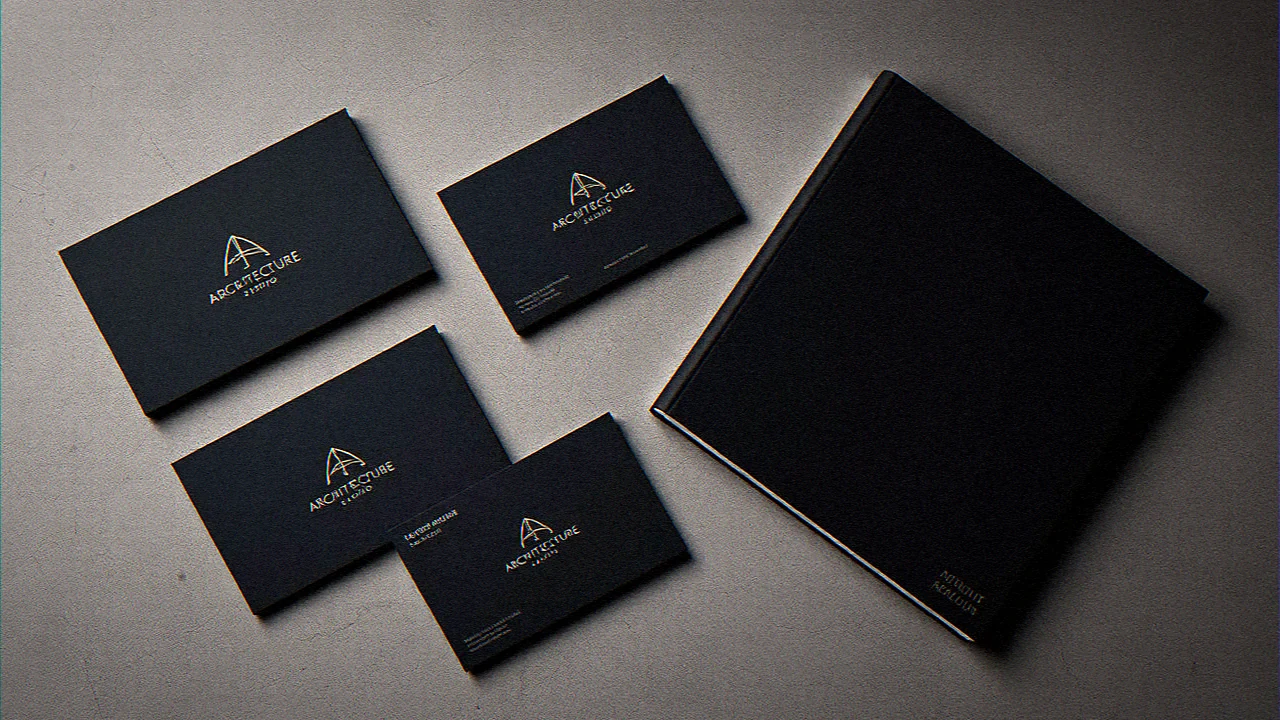
Here's a pattern I've noticed: the studios with the most beautiful work often have the least considered brands. It's almost a running joke in the industry. Practices that obsess over a 2mm reveal on a skirting board will happily send proposals in a Word document with mismatched fonts.
The our work speaks for itself problem
The most common pushback I hear when I suggest a studio should invest in its own brand: our work speaks for itself. It does, to the people who already know about you. Branding is the part that does the talking with the clients who don't.
A strong identity does a few specific things for an architecture practice:
What an architecture brand actually includes
More than a logo. The thing that actually gets used week to week:
Website and social are downstream. The collateral your team touches every day is more important than the homepage hero.
Three mistakes I see constantly
Following the trend. Half the architecture studios I look at use the same minimal sans-serif, the same off-white background, the same big-photo-low-text layout. It's safe and forgettable. Your brand should look like your work, not like everyone else's work.
Inconsistency. A beautiful website paired with a proposal in Calibri sends the wrong signal. Pick three things to be consistent about and stay consistent about them.
Treating it as a one-off project. A brand is built once and maintained forever. Studios that win at this assign somebody, internal or external, to keep it intact as the team grows.
What actually changes after a brand refresh
I won't give you the puff numbers about increased inquiries. It depends entirely on what was broken before. What I can tell you from the studios we've worked with: better-qualified leads, easier hires, and a small but real lift in fee acceptance.
The most underrated effect: the team starts taking themselves more seriously. People are proud to work somewhere that looks like itself.
When to do it
The three windows that actually justify the spend: when you found the studio, before a growth push (because positioning is easier to do before you scale than after), and when your brand visibly no longer matches the work you're putting out. If you're embarrassed to hand somebody a business card, that's your sign.
Related services
Related articles
3D Rendering vs 3D Printing: Which Scale Model Sells Faster?
Tactile 3D-printed scale models or cinematic photoreal renders, which one actually closes luxury real estate deals faster, and when to use both.
CGI vs Photography for Interior Designers: When Each One Wins
A practical comparison from someone who commissions both every week, cost, flexibility, realism, and the situations where one quietly beats the other.
5 Architectural Visualization Trends Shaping 2026
Real time engines, AI in post, VR walkthroughs and a few honest opinions on what's actually changing in archviz this year.
Got a project in mind?
Send us a few lines and we'll get back to you within a couple of days.
Get a Free Quote