CGI vs Photography for Interior Designers: When Each One Wins
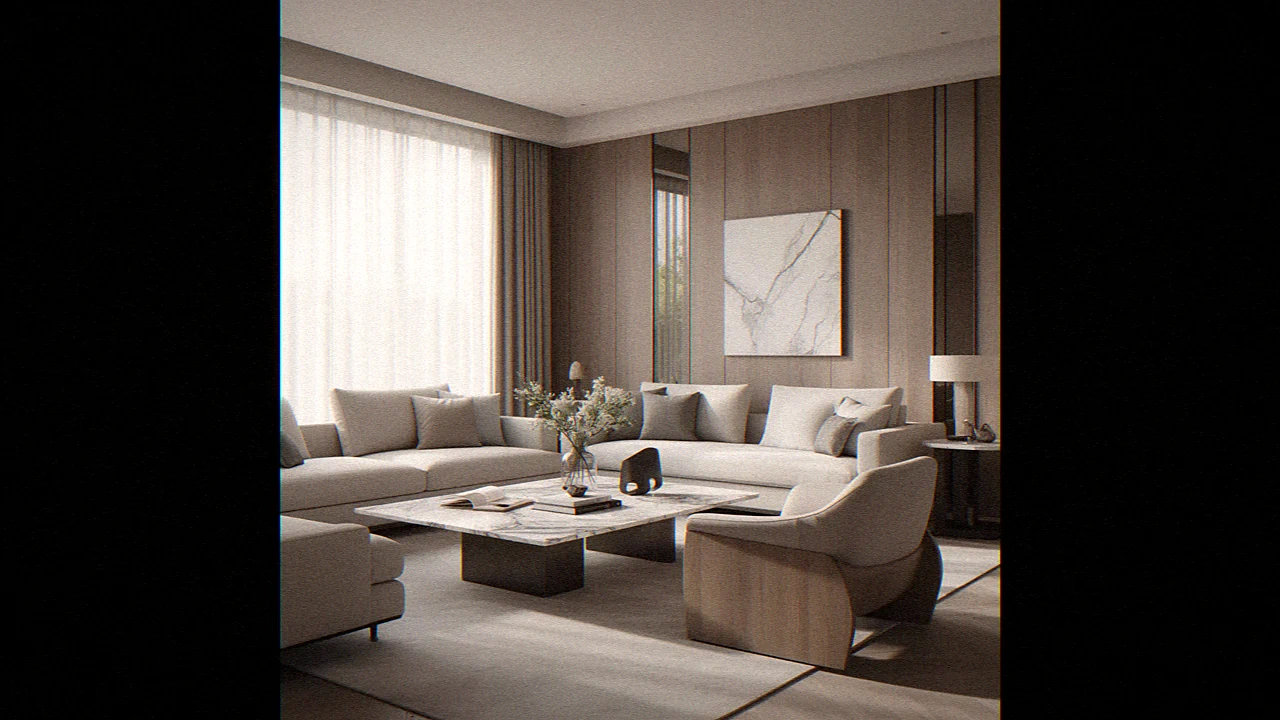
Clients ask me this almost every month: should we shoot the space or render it? The honest answer is, it depends on what the image has to do. Both tools are good. They're good at different jobs.
Here's how I actually decide, project by project.
When photography wins
Photography is the right call when the space already exists, looks roughly the way you want it to look, and the deadline allows for a shoot. Three situations where I'd push a client towards a photographer without hesitation:
What photography costs in Europe, roughly: €1,500 to €4,000 for a half-day interior shoot with a specialised photographer, more in major cities, plus styling and prop hire if needed. The number that surprises clients isn't the photographer, it's the day you lose closing the space, dressing it, and resetting it.
When CGI wins
CGI is the right call when the space doesn't exist yet, when you need flexibility, or when shooting would be physically painful. Where I'd argue for renders:
Typical pricing on the work I see: €800 to €2,500 per photoreal interior render, €2,500 plus for hero/marketing-grade images. Cheaper than people expect, once you factor in the absence of travel, set time and weather risk.
The honest weak spots
I'm not going to pretend either tool is universal.
CGI's weak spot: for spaces that already exist and are already beautiful, photography still tells the truth more cheaply. A render of a real, finished space is almost always a waste of money unless you have a specific reason (rebranding, retouching out a problem, etc).
Photography's weak spot: anything that needs to be iterated. Once the shoot is done, you can't change the sofa colour. With renders, you can, in a morning.
A pattern that works well
The smartest clients I work with don't pick one or the other for the whole project. They mix:
1. CGI during the design and sales phase, when the space doesn't exist or could still change.
2. Photography once the project is built, for portfolio, PR, and case studies.
It's not either/or. It's photography for the past, CGI for the future, and both for anything in between.
How to decide on your next project
Three questions I'd ask before commissioning anything:
If you're still unsure, send your brief to whoever you're considering and ask them to push back. A photographer worth hiring will tell you when a render would serve you better, and a renderer worth hiring will tell you when to call a photographer instead.
Decision table: CGI or photography
The ranges below are indicative planning ranges based on the figures discussed in this article. They are not Arkea-Tech invoices or guaranteed quotes.
| Criterion | Photography | CGI (photorealistic render) |
|---|---|---|
| Best use | Portfolio, PR and editorial, post-opening hospitality and retail | Off-plan sales, concept and pitch work, marketing variants, hard-to-shoot spaces |
| Project state | Built, furnished and accessible | Unbuilt, under construction, or still changing |
| Cost range (indicative) | €1,500 to €4,000 for a half-day specialised shoot, plus styling | €800 to €2,500 per interior view in the wider market, €2,500 and up for hero images; simple renders from €150 at Arkea-Tech |
| Lead time | Scheduling, one shoot day, dressing and reset, then retouching | Single still in 5 to 8 working days after brief approval, a set in 2 to 3 weeks |
| Flexibility | Fixed at the moment of the shoot | Materials, layout, lighting and time of day can be changed in the scene |
| Revisions | A change usually means a reshoot | Two revision rounds typically included; extra rounds are quoted |
| Realism and control | Real light and texture, limited control over weather, clutter and access | Full control of every element; realism depends on modelling, materials and lighting craft |
| Ideal buyer | Studios documenting finished work, venues, publications | Developers, architects pitching, designers presenting options before build |
Cost and time figures are planning ranges drawn from this article and our published service timelines. Ask for a fixed quote before committing a budget.
Two representative project scenarios
These are illustrative scenarios built to show the reasoning, not descriptions of specific client projects.
Scenario A, representative
A completed boutique apartment with site access
Photography is usually the better choice
- State of the project: built, furnished, snagging done, owner allows a half-day shoot.
- Goal: portfolio, press submission and the studio website.
- Indicative planning range: €1,500 to €4,000 for a half-day interior shoot with a specialised photographer, more in major cities, plus styling if needed.
- Time assumption: one shoot day plus a day to dress and reset the space, then retouching.
- Why: the space already exists and real light, texture and imperfection build trust faster. Magazines generally prefer photography.
- When CGI still helps: if a wall colour or a piece of furniture must be changed for a rebrand after the shoot.
Scenario B, representative
An unbuilt penthouse in an off-plan development
CGI is usually the better choice
- State of the project: CAD drawings and a material schedule exist, construction has not started.
- Goal: sales brochure, listing images, three finish options for the buyer.
- Indicative planning range: €800 to €2,500 per photoreal interior view in the wider market, €2,500 and up for hero images. Our own entry point for a simple photorealistic render is €150.
- Time assumption: a single interior still typically lands 5 to 8 working days after brief approval, a set of 5 to 6 images in 2 to 3 weeks.
- Why: nothing exists to photograph, and material or layout variants can be produced from the same scene without a reshoot.
- When photography still helps: once the show flat is built, shoot it for the final marketing push and the case study.
Visual comparison: from drawing to render
Both images below come from the same representative interior visualisation project in our portfolio (client name withheld). They show the typical CGI starting point and result when a space does not yet exist. We do not publish client photography, so no photograph is shown here.
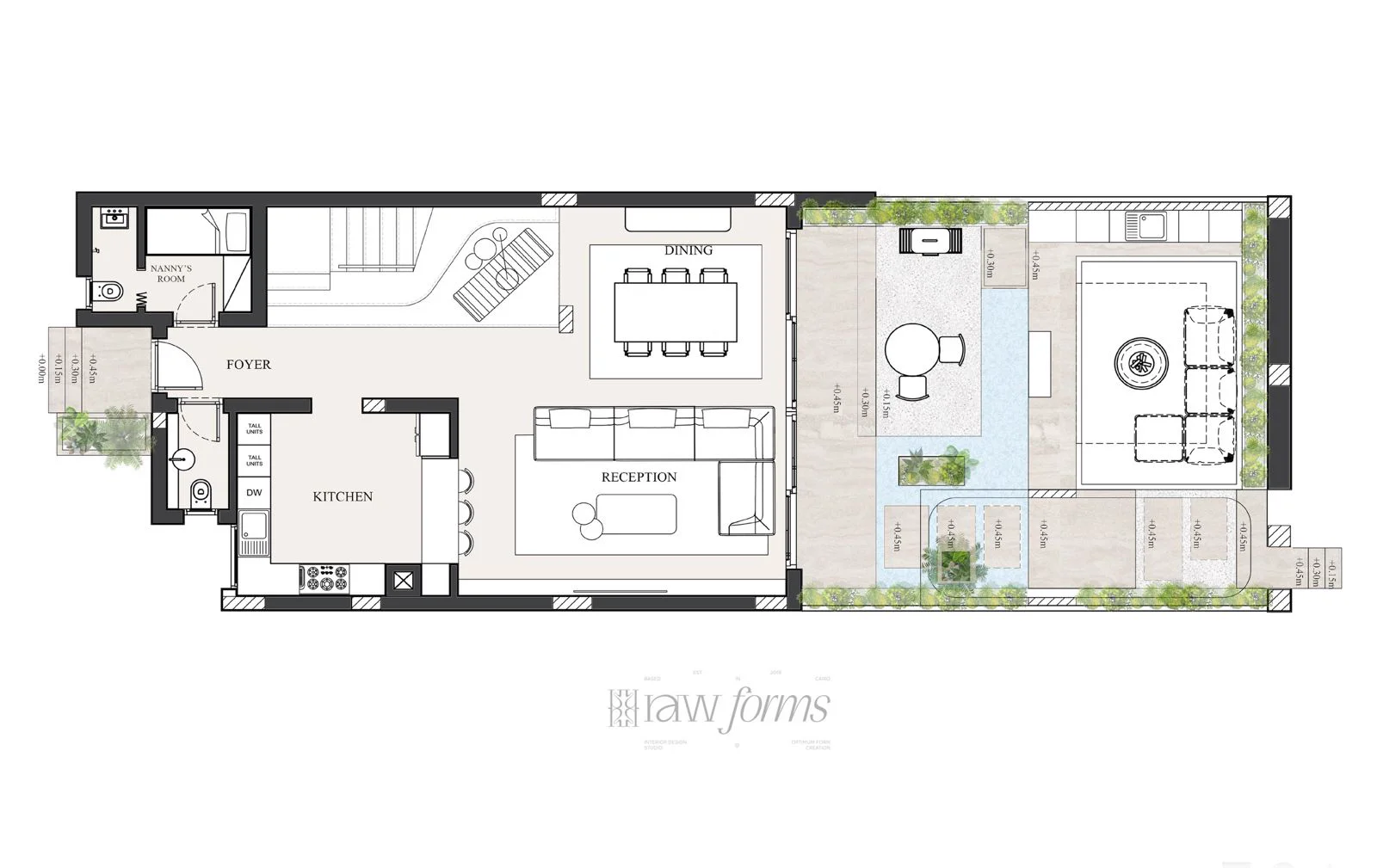
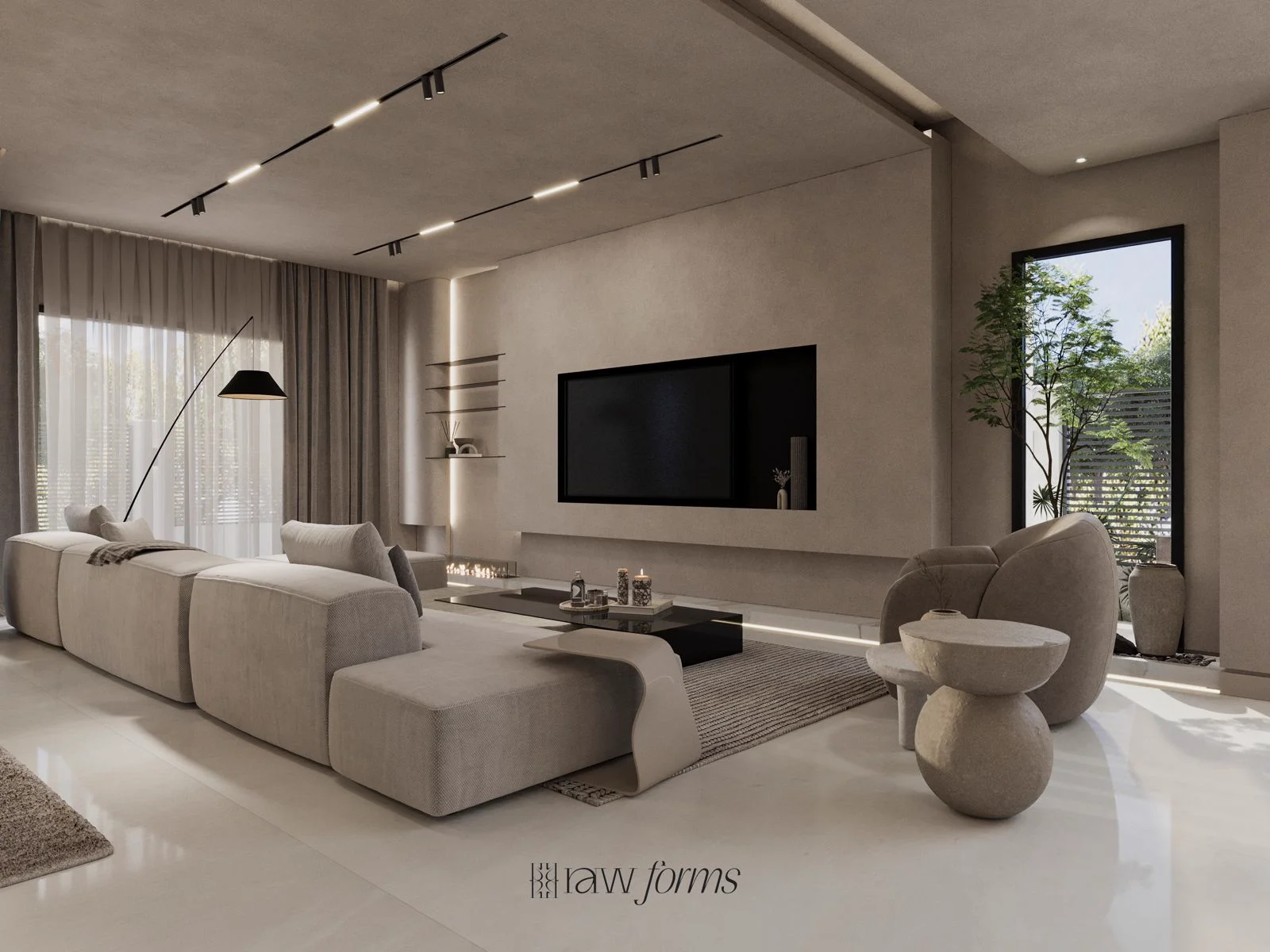
Neither image is tied to a specific invoice or price. Simple photorealistic renders at Arkea-Tech start at €150; a fixed quote for your own project is available within two working days through the quote form. See the full photorealistic renders service for deliverables and timelines.
Related services
Related articles
3D Rendering vs 3D Printing: Which Scale Model Sells Faster?
Tactile 3D-printed scale models or cinematic photoreal renders, which one actually closes luxury real estate deals faster, and when to use both.
5 Architectural Visualization Trends Shaping 2026
Real time engines, AI in post, VR walkthroughs and a few honest opinions on what's actually changing in archviz this year.
What Does a 3D Render Actually Cost in 2026?
The honest pricing conversation we have with clients every week, including the question of when a render isn't worth doing at all.
Got a project in mind?
Send us a few lines and we'll get back to you within a couple of days.
Get a Free Quote